Hawkish Fed: Barr says more rate increases likely after hike
Governor Barr told the Detroit Economic Club that inflation is too high, risks have shifted from jobs to prices, and further policy adjustments are likely.
The news
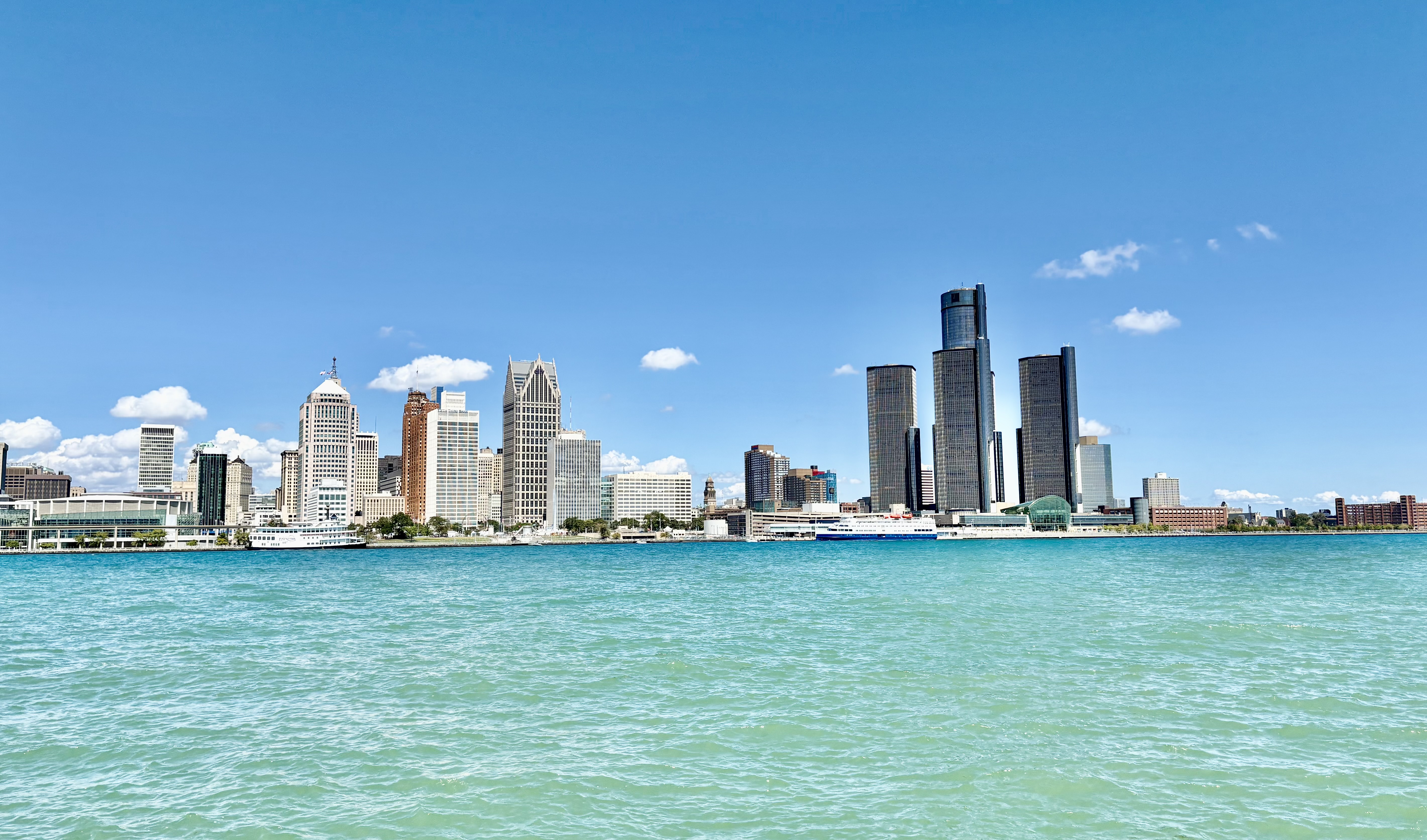
Federal Reserve Governor Michael Barr gave a hawkish Fed message to the Detroit Economic Club on September 29, saying inflation is too high, risks to the inflation target have increased while labor market risks have receded, and that further policy adjustments are likely. The remarks followed the FOMC’s unanimous decision this month to raise short-term rates.
Key takeaways:
- Barr said the unemployment rate of 4.1 percent is close to estimates of maximum sustainable employment and job creation has averaged around 80,000 a month this year.
- He counts only two months of data consistent with 2 percent core PCE inflation over the past 20 months and sees no clear trend toward a timely return to target.
- Real GDP grew at roughly a 2 percent rate in the first half, and he expects a bit more in the second.
- He laid out short-, medium- and longer-term scenarios for how AI could affect the economy and policy.
Our analysis
The policy message is the headline. Barr said the Committee needed to recalibrate policy to reflect the balance of risks to its mandate, so that it is in a better position to balance risks to both inflation and employment. In his base case, further adjustments are likely to be needed to bring inflation down in a timely way. He did not give a number or a timetable.
The reasoning rests on a string of shocks. He listed tariffs, the conflict in the Middle East and its effect on energy prices, continuing disruption from Russia’s war on Ukraine, and the AI investment surge, which he said is having a measurable effect on prices. Inflation by the PCE measure has been above 2 percent for five and a half years. It peaked at a 12-month rate of 7 percent in 2022 and was near the objective by early 2025 before tariff increases and then energy prices pushed it higher.
On the real economy, Barr described solid activity and a labor market where supply and demand are in rough balance. Lower net immigration has reduced the number of new jobs needed to keep pace with the labor force, so job creation of about 80,000 a month is close to the breakeven pace. He also mentioned that national auto sales hit an annualized rate of 16.8 million in August and that Detroit still faces unemployment of around 11 percent, compared with 5 percent in Michigan and 4.1 percent nationally.
The distinctive part of the speech is the AI framework. In the next year or so, he expects the buildout to boost business investment and push up prices for chips and related goods, with supply constraints emerging and technology valuations supporting spending by those who gain wealth. Over the long run, he is optimistic that AI can raise productivity and living standards without feeding inflation. The medium term, two to five years out, is where he sees the greatest uncertainty: how fast a productivity “J curve” turns up, whether investors will earn returns consistent with expectations or reprice, and whether AI proves to be a labor substitute or complement.
He then drew a link to the neutral rate. If AI produces a lasting productivity boost, higher returns on investment and expected stronger wages would raise capital demand and reduce savings, requiring higher interest rates in equilibrium, a rise in r*. He said it is too early to know whether those dynamics are in play now. For markets that debate where policy eventually settles, the point matters, though he limited it to a possibility.
Room for disagreement
Barr acknowledged that other readings are available. Evidence that AI is reducing opportunities for entry-level workers sits next to examples of productivity gains, and he said the picture for the labor market could be more benign if AI augments rather than replaces workers. He also described a scenario in which disappointing returns on AI investment lead to a repricing that hits growth through lower investment and wealth effects. That would argue against tighter policy.
On the policy rate, a hawkish case rests on the persistence of price pressure. A skeptic could point out that the same speech credits the economy with resilience and a stable labor market, and that tariff effects “may have diminished.” Whether the remaining pressure comes from sectors such as chips, where monetary policy has limited reach, or from broader demand is a question he leaves open.
What to watch
- The September employment report and core PCE inflation, which will test his claim that there is no clear trend toward 2 percent.
- Other Governors’ speeches for whether they share the base case of further adjustments.
- Energy prices and any developments in the Middle East conflict that he cited as a driver.
- The minutes of the September 15-16 meeting, which will show how the Committee weighed the risks.
Prepared with AI assistance from public sources and reviewed under our editorial policy. Not investment advice.