Dollar Hits 19-Month High as Traders Bet on a Hawkish Fed
The US dollar reached a 19-month peak on bets for a Fed rate hike, while the Australian dollar slipped. What it means, and what Fed speakers said Monday.
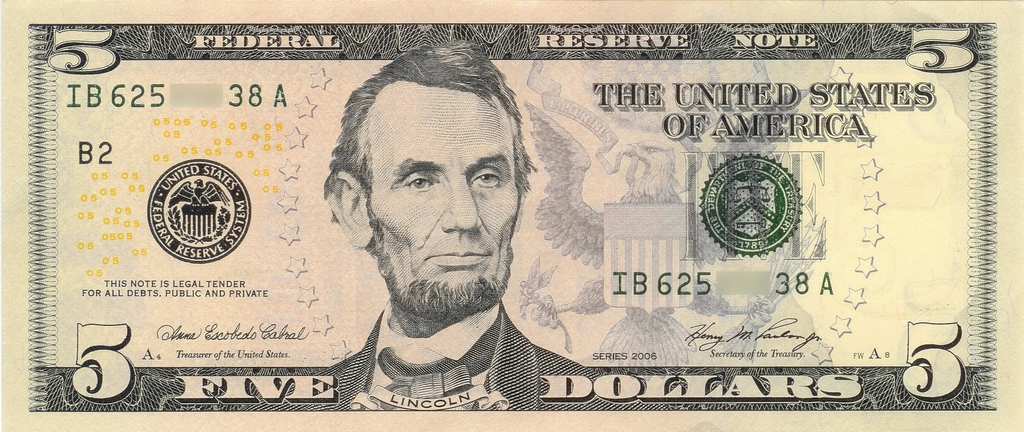
The US dollar has climbed to its highest level in 19 months as traders position for a possible Federal Reserve rate hike, according to Investing.com. The Australian dollar slipped in the same session. The move is a clear sign that markets are pricing a more hawkish Fed than they were earlier in the year.
Key takeaways
- The dollar touched a 19-month peak on Tuesday, with expectations of a Fed rate increase cited as the driver, per Investing.com.
- The Australian dollar dipped as the US currency strengthened.
- Two Fed speeches on Monday, one on productivity and jobs and one on artificial intelligence and financial stability, covered topics that bear on the longer-run policy debate.
- Market bets on a hike are not a Fed decision. The path will depend on the data and on the committee’s own communications.
The news
Investing.com reported on Tuesday that the dollar reached its strongest point in 19 months. The report attributes the rally to bets that the Fed will raise interest rates. The Australian dollar, which often moves inversely to the US currency when expectations for US yields rise, softened.
A rate hike is a notable shift in tone for a central bank whose recent debates have centered on how long to hold policy steady or how quickly to ease. When traders begin to price increases, the currency usually reacts first, because higher expected US rates make dollar assets more attractive relative to those in other countries.
Separately, the Fed published two speeches from Monday. One was Warsh’s opening remarks at the Productivity and Jobs Task Force Conference, hosted by the Federal Reserve Board and the Federal Reserve Bank of San Francisco. The other was Barr’s address, “Some Potential Financial Stability Implications of Artificial Intelligence,” delivered at the Association for Computing Machinery’s international conference on AI in finance in Milan.
Our analysis
The dollar’s move matters well beyond currency desks. A stronger dollar tightens financial conditions on its own. It makes imports cheaper for US buyers, but it squeezes US exporters and raises the burden on borrowers abroad who owe dollar-denominated debt. For the Fed, that can partly do the work of a rate increase. For countries whose currencies are weakening, it complicates their own policy choices.
The Australian dollar’s dip fits that pattern. Currencies tied to commodities and global growth tend to lose ground when the market reprices US rates higher, because the interest-rate gap shifts in favor of the dollar.
The Monday speeches do not, on the information published so far, amount to a rate signal. Their titles and venues point elsewhere. The San Francisco conference focused on productivity and jobs, and productivity is central to the inflation debate: faster output growth can let an economy run hotter without adding price pressure, while weak productivity can make wage gains harder to absorb. Barr’s talk looked at how AI could affect financial stability, a supervision and risk topic rather than a near-term policy one.
Still, the pairing is useful context. Officials are weighing short-run questions about inflation and rates alongside long-run questions about what technology means for growth and for the financial system. The dollar rally suggests investors are focused on the former.
Room for disagreement
There are good reasons to treat the rally cautiously. Market pricing of a hike is a probability, not a plan, and it can reverse quickly if economic data soften or if Fed officials push back. A 19-month high is also a snapshot. Currency moves can be driven by positioning, safe-haven flows or weakness elsewhere, not only by US rate expectations.
Others may argue that the speeches deserve more weight than the headline suggests. A focus on productivity could reflect a view that the economy can grow without stoking inflation, which would argue against hiking. Without a direct statement of policy intent in the material published, readers should avoid reading a rate message into either speech.
What to watch
- The next FOMC statement and minutes. Changes in how the committee describes inflation, the labor market and the balance of risks will show whether the market’s hike bets have support inside the Fed.
- Fed speakers. Any remarks that address rates directly will carry more weight than conference addresses on productivity or AI.
- The dollar’s staying power. Whether it holds its 19-month high or fades will show how firmly traders believe in a hike.
- Spillovers. Pressure on currencies such as the Australian dollar, and the broader effect of a firmer dollar on financial conditions, will be an early indicator of how far the move travels.
Prepared with AI assistance from public sources and reviewed under our editorial policy. Not investment advice.